Car-Cleaning Tips Nobody Tells You About
The tips that actually protect your paint, interior and resale value: the order you wash in, and the household products quietly ruining your trim.
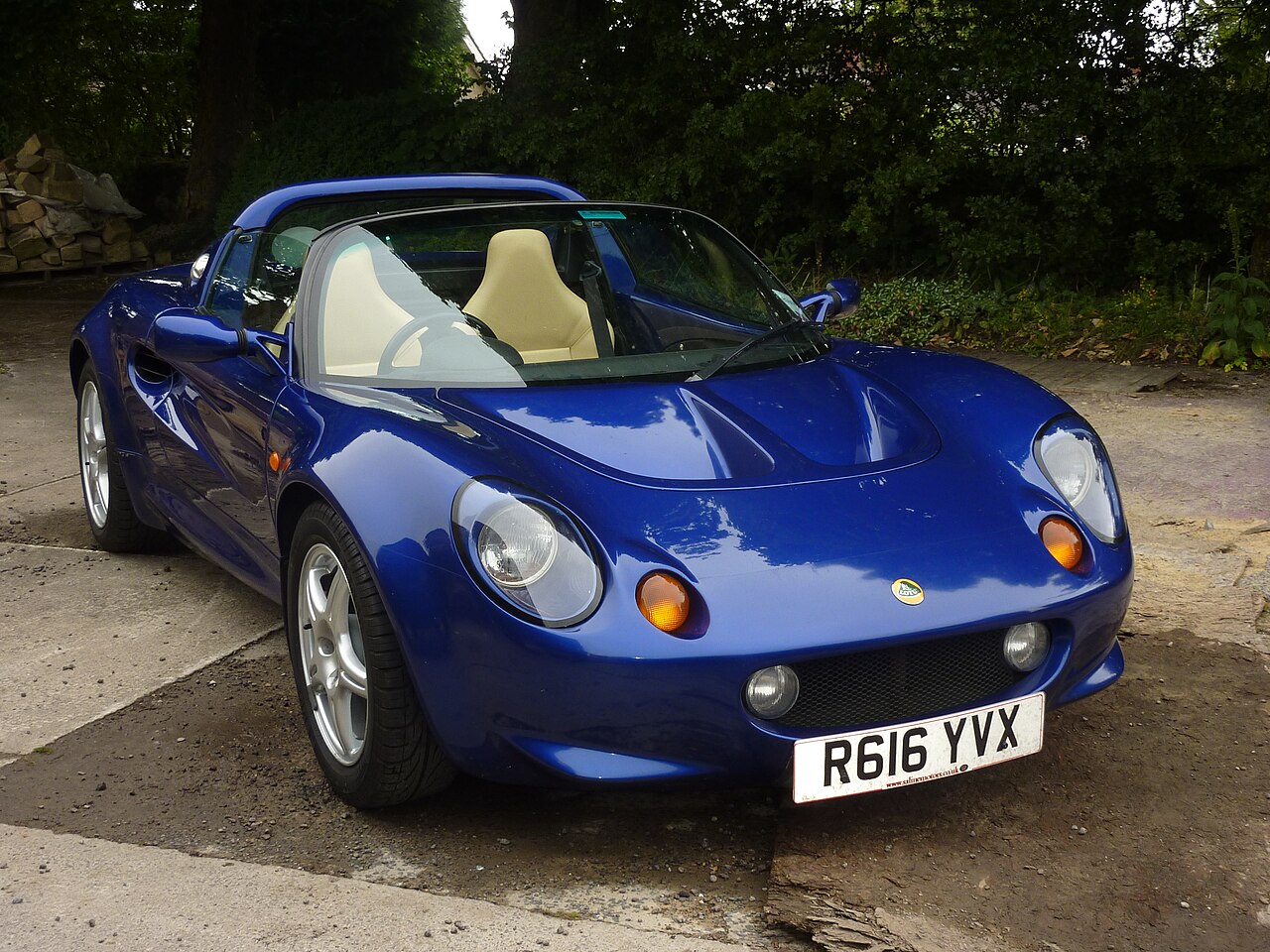
Everyone knows to wash their car. Far fewer know that the way most people wash a car is slowly scratching the paint, baking water spots into the glass, and degrading the very surfaces they're trying to protect. The basics — soap, sponge, hose — aren't wrong, they're just incomplete in ways that cost you both appearance and resale value over time.
Here are the car-cleaning tips that rarely make the standard list, and why each one matters.
Wash in the shade, never in the sun
Washing a hot car in direct sunlight is the most common mistake there is. Water and soap dry before you can rinse them, and the dissolved minerals left behind etch water spots into the paint and glass that ordinary washing won't remove.
- Wash early morning, evening, or in a shaded spot.
- Work panel by panel so soap never dries on the surface.
- Dry immediately with a clean microfibre or a dedicated drying towel — don't let it air-dry.
The two-bucket method (and why one bucket scratches)
The single biggest cause of swirl marks isn't the car wash — it's washing with dirty water. A single bucket means you're picking grit back up off your sponge and dragging it across the paint.
- Bucket one: clean soapy water. Bucket two: plain rinse water.
- Wash a section, then rinse the mitt in the rinse bucket before reloading with soap. The grit drops to the bottom of the rinse bucket instead of going back on your car.
- A cheap "grit guard" insert in the bottom of each bucket traps the dirt so it can't be stirred back up.
Top-to-bottom, and the wheels first
Order matters more than people think:
- Wheels and tyres first, separately, with their own dedicated mitt or brush — they're the dirtiest part of the car, full of abrasive brake dust. Clean them last and you contaminate your wash mitt for the whole job.
- Then wash the bodywork top-to-bottom: roof, glass, upper panels, then lower doors and bumpers last (the lowest panels carry the most road grit).
- Use a separate mitt for the lower third of the car if you're being thorough — that's where the gritty splash lives.
Microfibre, not sponges or old towels
A traditional sponge holds grit against the paint; an old cotton towel is mildly abrasive. Microfibre lifts dirt away from the surface into the weave.
- Use plush microfibre wash mitts and drying towels.
- Colour-code them: one set for paint, a different colour for wheels, another for interior glass. Never cross-contaminate — a wheel towel used on paint drags brake grit across it.
- Wash microfibre separately from household laundry, with no fabric softener (softener clogs the fibres and ruins their grab).
Stop using household cleaners on your interior
This is the tip that quietly ruins interiors. Glass cleaner with ammonia hazes and dries out leather, vinyl, and especially the anti-glare/touch coatings on screens. All-purpose kitchen sprays are too harsh for dashboards and door cards.
- Use ammonia-free glass cleaner, and spray it onto the cloth, not directly onto screens or near electronics.
- Clean leather with a pH-neutral leather cleaner, then condition it — untreated leather dries and cracks.
- A soft detailing brush gets dust out of vents, seams, and buttons that a cloth just pushes around.
- Microfibre + a little water handles most plastics; skip the high-gloss "dashboard shine" sprays, which leave a greasy, glare-prone, dust-attracting film.
The bits everyone forgets
The spots that separate a quick clean from a proper one — and the ones a buyer notices:
- Door shuts and jambs — open each door and wipe the painted edges and frame. Grime collects here and screams "neglected" to anyone inspecting the car.
- Fuel-filler flap recess.
- Under the wiper arms and the cowl at the base of the windscreen, where leaves and grit collect and trap moisture against the paint.
- Inside the windscreen — it fogs from off-gassing plastics; a clean inner screen cuts night-time glare dramatically.
- Seat rails and under the seats, where coins, crumbs, and damp debris hide.
Protect after you clean — don't skip this step
Washing removes dirt; it doesn't protect. Bare paint and trim degrade faster once they're clean and exposed.
- A coat of wax or sealant a few times a year makes the next wash easier (dirt sheets off) and shields paint from UV and acid rain.
- Treat exterior plastic trim with a dedicated protectant or it fades to a chalky grey that's very hard to reverse.
- Tyre dressing isn't just looks — it slows the cracking that UV causes in the sidewall rubber.
Why this is resale value, not vanity
A car that's been cleaned correctly over its life looks it: swirl-free paint, uncracked leather, un-faded trim, clean door shuts. A car that's been washed carelessly shows spider-web swirls in sunlight, hazed screens, and grimy jambs — and buyers read all of that as "poorly cared for," then negotiate the price down accordingly.
Cleaning is the cheapest maintenance there is, and the most visible. For the bigger picture on protecting what your car is worth, see tips to extend the life of your car. And when you're buying or selling, run the specific car through the AutoFindr analyzer for a fair-price band and engine-specific reliability — so condition and value line up.
⚖️ Compare Toyota Corolla vs Volkswagen Golf →Comments
Loading…
Related Articles
10 Tips for Organizing Your Car
Ten ways to keep the interior tidy, the essentials reachable and the resale value intact, without buying a boot full of gadgets.
Electric Car Maintenance Costs (2026): The Real Math
EVs are cheaper to maintain, but no maintenance is a myth and two costs are quietly higher. The honest line-by-line breakdown.
BMW M3 F80 Rod Bearings: Should You Replace Proactively?
The S55 engine has a known rod bearing wear issue that's destroyed engines past 100,000 km. Is the €4,000 proactive service worth it? Here's the math.