Most Popular Car Models in Europe (2026)
The ten models that consistently top Europe's registration charts, and what their popularity tells you as a used buyer.

Europe's best-seller list looks nothing like America's. No full-size pickups, no body-on-frame SUVs. Instead: superminis, compact hatchbacks, small crossovers, and — increasingly — electric cars. The continent buys small, efficient, and practical, shaped by narrow streets, expensive fuel, and tightening emissions rules.
Exact rankings shuffle month to month (and JATO, ACEA and Dataforce each count slightly differently), so treat this as "the ten models that are consistently at the top of European registrations," not a frozen leaderboard. More useful for you: what each one's popularity means when you're shopping used.
1. Dacia Sandero

Europe's value champion, and frequently the outright best-selling car on the continent in recent years. The Sandero's pitch is brutally simple: a roomy, no-nonsense supermini using proven Renault-group mechanicals at a price nothing else matches. Used, it's one of the cheapest ways to own a near-new car. Don't expect plush — expect honest.
2. Volkswagen Golf

The default European hatchback for five decades. The Golf is the benchmark everyone else is measured against — refined, well-built, huge parts availability, and a used market so deep you can be picky. Watch the Mk8's early infotainment gremlins and, on TSI engines, keep up with the timing chain and oil. A serviced Golf is one of the safest used buys in Europe.
3. Tesla Model Y

The car that proved electric could top the overall charts, not just the EV ones — the Model Y has been Europe's best-selling car outright in some periods. Practical, quick, and backed by the Supercharger network. Used buyers: check battery State of Health and which hardware/software version it has; build quality varies by factory and year.
4. Volkswagen T-Roc

Proof that Europe's love affair with the small crossover is real. The T-Roc is essentially a raised Golf in fashionable clothing — same solid VAG mechanicals, more commanding seating position. Hugely popular, which means strong used supply and easy servicing.
5. Peugeot 208

France's answer to the supermini question, and a perennial top-five seller. Striking i-Cockpit interior, frugal PureTech petrol and BlueHDi diesel options, plus a full-electric e-208. On used PureTech 1.2 cars, check the timing-belt service history — early units had belt-wear concerns that a diligent owner will have addressed.
6. Renault Clio

The Clio has sold in enormous numbers for decades and remains a top supermini. The current car's E-Tech full-hybrid is genuinely frugal, and the cabin punches above its class. Cheap to insure, cheap to run, and supported by France's vast Renault network — a sensible, unglamorous default.
7. Toyota Yaris

The reliability pick of the supermini class. The Yaris Hybrid delivers ~4.5 l/100 km in the real world with Toyota's bulletproof hybrid drivetrain. If you want a small car you'll never think about, this is it — and the related Yaris Cross crossover sells just as strongly.
8. Volkswagen Tiguan

Europe's default family SUV. The Tiguan is the bigger, more grown-up expression of VW's formula — space, quality, and a broad engine range including efficient diesels for high-mileage families. Watch DSG service history and, on older 2.0 TDI units, the usual EGR/DPF maintenance.
9. Opel Corsa
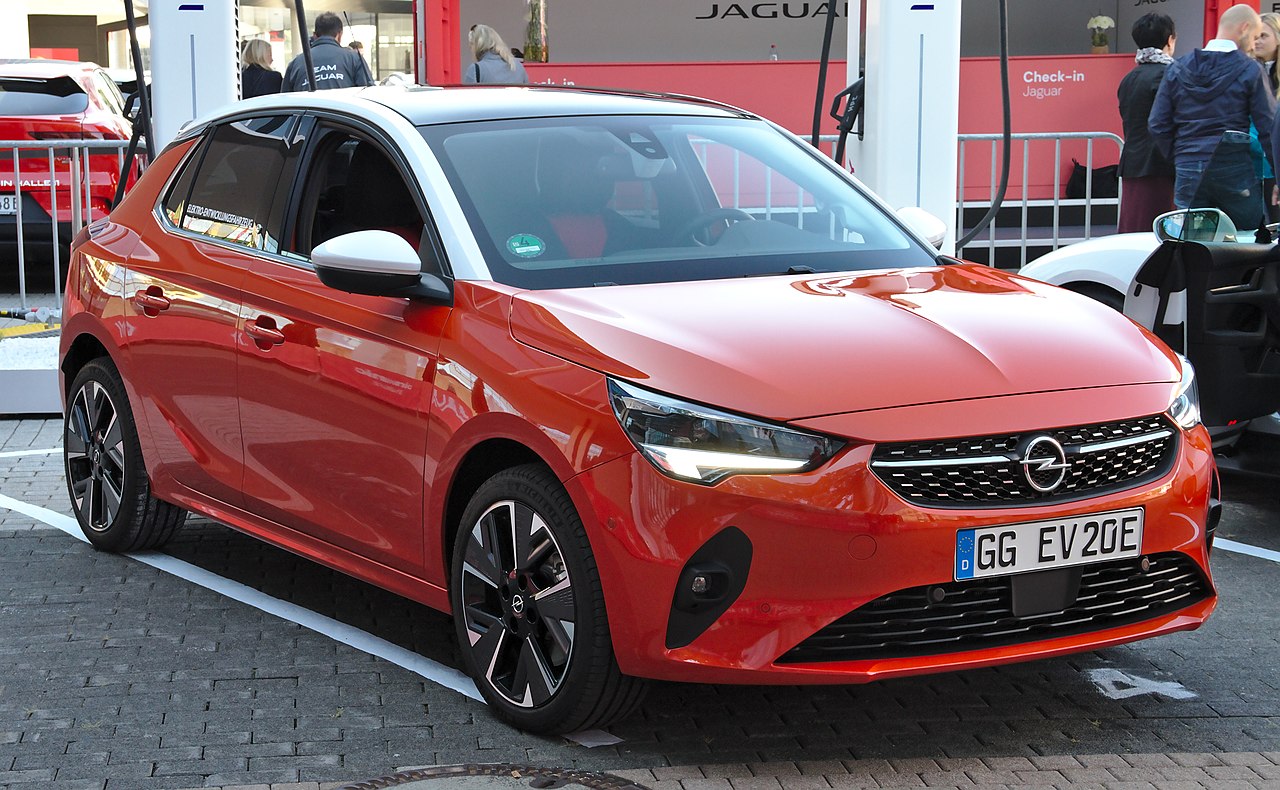
A fixture of the European top ten for generations, especially strong in Germany and the UK (as the Vauxhall Corsa). Since moving onto the Stellantis platform it shares mechanicals with the Peugeot 208 — including the same PureTech engine, so the same timing-belt diligence applies. Abundant, cheap, easy to live with.
10. Škoda Octavia

The thinking buyer's bestseller. The Octavia offers near-Golf engineering with significantly more space for less money — a genuinely huge boot and the same VAG drivetrains. It's the perennial value-family choice across central Europe, and one of the smartest used buys on this whole list.
What the list tells a used buyer
A few patterns worth pulling out:
- Popularity = cheaper, easier ownership. Best-sellers have deep used supply, abundant parts, and mechanics who've seen every fault a hundred times. A popular car is almost always cheaper to own, not just to buy.
- Shared platforms matter. The 208 and Corsa share Stellantis mechanicals; the Golf, T-Roc, Tiguan and Octavia share VAG ones. Learn one platform's quirks and you understand several cars.
- Europe is going electric at the top. The Model Y reaching #1 isn't a fluke — it signals where the used market is heading. If you're buying to keep for years, factor in the low-emission-zone direction of travel.
The flip side: popular doesn't mean right for you. A best-seller bought with no service history is still a gamble. The model averages tell you the odds; the specific car's condition tells you the outcome.
Eyeing one of these? Run the exact car through the analyzer for its reliability composite, known issues, and a fair-price band before you commit.
⚖️ Compare Volkswagen Golf vs Škoda Octavia →Comments
Loading…
Related Articles
Jeep Trackhawk Problems: 2018–2021 Buyer's Guide
The 707 hp Hellcat V8 is the tough part; the driveline is what breaks. Which year to buy, the checks that catch a thrashed one, and repair costs.
Hemi, Pentastar & EcoDiesel Problems: Pros and Cons
3.0 diesel, 3.6 V6, 5.7, 6.4 and 6.2 Hellcat: what each engine does well, how it fails, what the fix costs, and which one to buy.
1.6 HDi / TDCi Turbo Failure: The Real Cause (2026)
Europe's most common small diesel eats turbos. But the turbo is the victim — replace it without fixing the real cause and the next one dies too.